
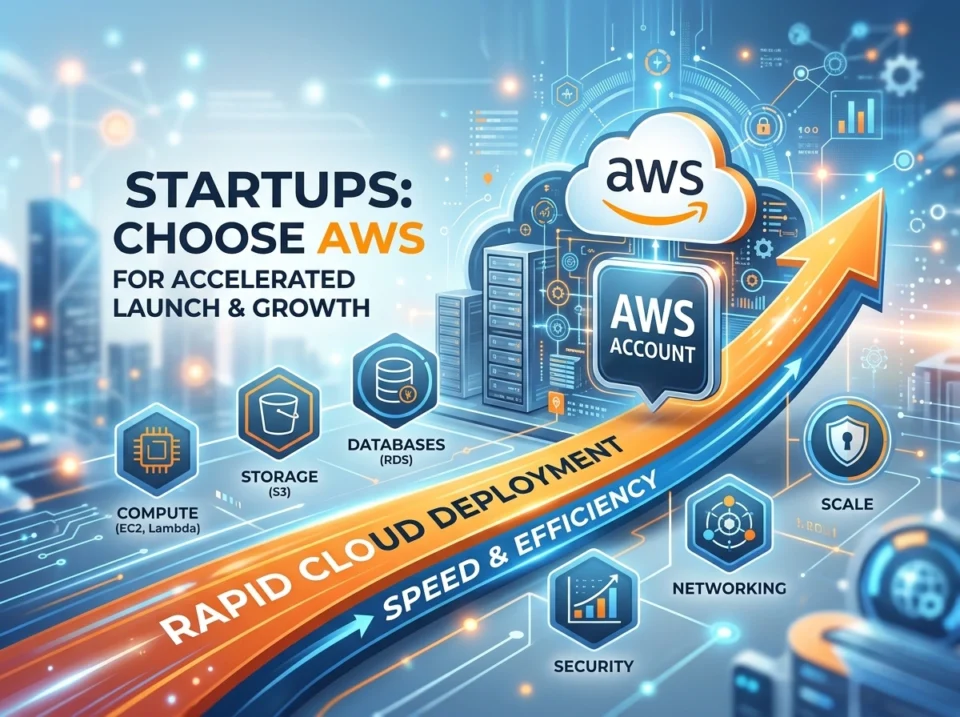
Speed defines success for early-stage companies. When a startup spots an opportunity, the team needs infrastructure ready to launch within hours, not weeks. Yet many founders hit a wall the moment they try to set up cloud resources from scratch. Account verification, billing checks, region restrictions, and service limits can stall a launch before it even begins.
This is why a growing number of startups choose to buy pre-configured AWS accounts. The strategy gives them a running start, removes setup friction, and lets technical teams focus on building products instead of fighting onboarding hurdles. Let’s break down the reasons behind this trend and what it means for founders, CTOs, and tech entrepreneurs.
The Cloud Onboarding Challenges Startups Face
Setting up a fresh AWS account sounds simple. In practice, new accounts come with restrictions that frustrate fast-moving teams. Amazon applies low default service quotas to brand-new accounts to protect against fraud and abuse. That means limits on the number of EC2 instances you can spin up, caps on email sending, and tight controls on high-demand GPU resources.
For a startup planning a product launch or a marketing push, these limits create real bottlenecks. You request a quota increase, then wait for approval. Sometimes that takes a day. Sometimes it takes longer. When your roadmap depends on shipping fast, every hour counts.
New accounts also face billing verification and identity checks. Payment methods may need confirmation. Certain regions stay locked until your account builds a history. For founders juggling fundraising, product development, and hiring, these administrative tasks pull focus away from the work that actually moves the needle.
What “Buying an AWS Account” Actually Means
When startups buy AWS accounts, they acquire accounts that are already verified, configured, and ready to handle production-level workloads. These accounts often come with higher service limits, established billing history, and access to regions that fresh accounts can’t immediately use.
Reputable providers like Buy AWS Accounts offer accounts that skip the slow onboarding stage entirely. Instead of starting at the bottom of the trust ladder, a startup steps in with infrastructure prepared for serious use. This approach appeals to teams that need to deploy quickly and avoid the wait that comes with cold-start accounts.
Speed Advantages for Deployment
The biggest draw is speed. A pre-configured account lets a development team deploy applications almost immediately. There’s no waiting for quota approvals or verification emails. The environment is ready, so engineers can push code, launch instances, and test features right away.
Think about a startup preparing for a product demo in front of investors. The team needs a stable, scalable environment that performs under load. With a ready account, they configure their stack and move straight into testing. With a brand-new account, they might spend days requesting the resources they need just to reach the starting line.
This time saved compounds. Faster deployment means faster iteration. Faster iteration means quicker feedback from users. And quicker feedback helps startups refine their products before competitors catch up.
Cost and Time Efficiency
Time is one of the most valuable assets a startup owns. Every hour an engineer spends on account setup is an hour not spent building features or fixing bugs. Buying a ready-made account shifts that time back to product work.
There’s also a financial angle. Delays in launching can cost real money, especially when a startup has paying customers waiting or a marketing campaign scheduled. A missed window can mean lost revenue and lost momentum. By removing setup delays, founders protect their timelines and their budgets.
Pre-configured accounts also reduce the hidden costs of trial and error. Setting up cloud infrastructure correctly takes experience. Mistakes in permissions, networking, or billing can lead to surprise charges or security gaps. Accounts that arrive properly structured help teams avoid these common pitfalls.
Built for Scalability
Startups rarely stay small for long, at least not the successful ones. Growth often arrives suddenly. A feature goes viral, a partnership lands, or a marketing effort drives a wave of new users. When that happens, infrastructure has to scale without breaking.
Accounts with higher service limits handle these spikes far better than fresh accounts stuck with default caps. A team can scale up compute power, storage, and bandwidth on demand. This flexibility matters because the cloud’s whole promise rests on the ability to grow resources in step with demand.
A pre-configured account gives startups room to expand without pausing to file paperwork. When user numbers climb, the infrastructure climbs with them. That responsiveness keeps the user experience smooth during the exact moments when first impressions matter most.
Gaining a Competitive Edge
In crowded markets, the company that ships first often wins. Buying AWS accounts gives startups a head start that translates into a real competitive advantage. While rivals wait through onboarding, a prepared team is already testing, deploying, and learning from real users.
This edge shows up in several ways:
- Faster time to market. Products reach customers sooner, building early traction and brand recognition.
- Quicker pivots. Teams can test ideas and abandon weak ones without infrastructure slowing them down.
- Stronger investor confidence. A team that deploys quickly and demonstrates working systems sends a strong signal during fundraising.
For tech entrepreneurs, these advantages stack up into a meaningful lead. Speed becomes a feature of the company itself, not just the product.
Practical Considerations Before You Buy
While the benefits are clear, founders should approach the decision carefully. Choose a provider with a solid reputation and transparent practices. Verify that the account meets your technical needs, including the regions and service limits your roadmap requires.
Security deserves attention too. Once you acquire an account, update credentials, enable multi-factor authentication, and review identity and access management settings. Treat the account as you would any production environment, with strong controls and regular monitoring.
It also helps to plan for the long term. Make sure the account structure supports your growth plans and aligns with how your team works. A little planning upfront prevents headaches as your infrastructure expands.
Final Thoughts
For startups, momentum is everything. The teams that move fast, test ideas quickly, and scale on demand tend to pull ahead. Buying pre-configured AWS accounts removes one of the most common roadblocks standing between an idea and a live product.
By skipping slow onboarding, sidestepping low service limits, and gaining instant access to scalable infrastructure, founders free their teams to focus on what really matters: building something people want. The choice reflects a simple truth about startup life. When speed decides who wins, smart founders find every advantage they can.
For founders, CTOs, and tech entrepreneurs weighing their options, a ready-to-go AWS account can be the difference between launching this week and waiting until next month. In a race where timing shapes outcomes, that head start is worth serious consideration.
