
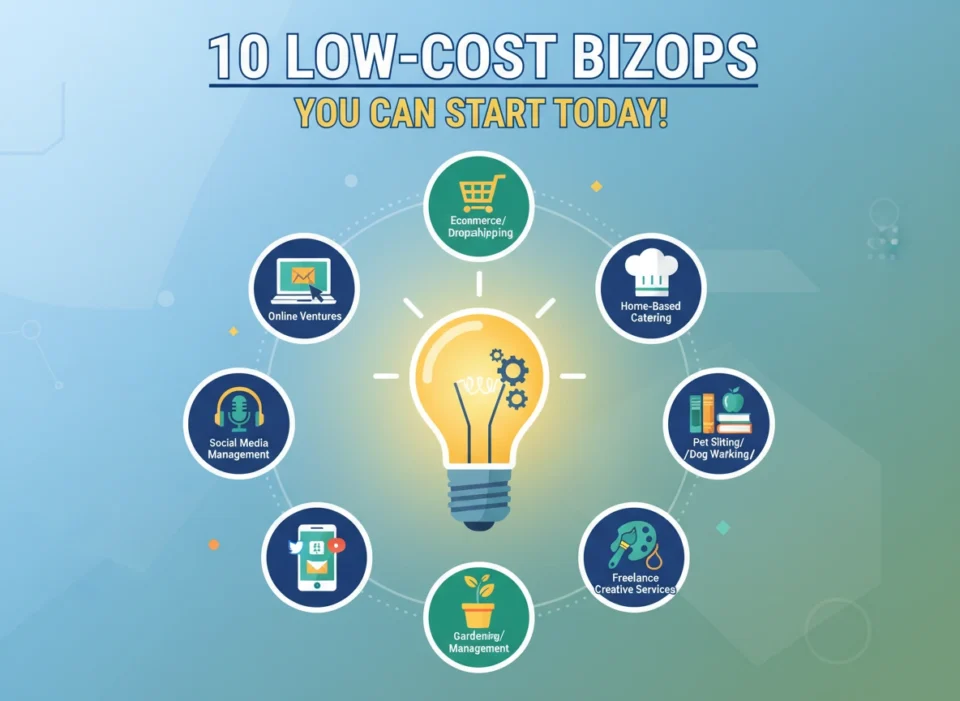
Starting a business doesn’t always require a six-figure investment or a team of venture capitalists. Some of the most successful ventures began with nothing more than a laptop, a skillset, and a small amount of savings. The barrier to entry for entrepreneurship has never been lower, thanks to digital tools and the gig economy. If you have the drive but lack the capital, you aren’t out of the game. You just need to choose the right opportunity.
This article explores ten viable business operations (bizops) you can launch with minimal upfront costs. These aren’t “get rich quick” schemes; they are legitimate business models that require work, dedication, and strategic planning. Whether you want to escape the 9-to-5 grind or build a side income stream, these options offer a practical path forward.
1. Professional Virtual Assistance
The demand for remote administrative support is skyrocketing. Business owners, executives, and busy entrepreneurs often find themselves bogged down by email management, scheduling, and basic research. A Virtual Assistant (VA) steps in to handle these tasks, allowing the client to focus on high-level strategy.
The Potential Market
The market for VAs is vast. It ranges from solo real estate agents needing help with listings to tech startup founders who need calendar management. Niche specialization is growing, too. You can become a VA specifically for podcasters, e-commerce store owners, or medical professionals.
Startup Costs: $0 – $100
If you have a reliable computer and internet connection, your costs are virtually zero. You might spend a small amount on a website domain or a premium subscription to a scheduling tool like Calendly, but many free alternatives exist.
Tips for Success
- Specialize early. General VAs are common. A “Pinterest VA for Lifestyle Bloggers” is a specialist who can charge a premium.
- Master the tools. Become an expert in Trello, Asana, Slack, and Google Workspace.
- Communicate proactively. Your job is to make your client’s life easier. Anticipate their needs before they ask.
2. Content Writing and Copywriting
Every business on the internet needs words. They need blog posts to rank on Google, email sequences to sell products, and website copy to explain who they are. If you have a knack for writing and an understanding of persuasion, you can turn words into income.
The Potential Market
Your potential clients include marketing agencies, small businesses, SaaS (Software as a Service) companies, and influencers. The hunger for fresh, SEO-optimized content is constant because content marketing remains one of the most effective ways to acquire customers.
Startup Costs: $0 – $50
You need a portfolio. If you haven’t had paid clients yet, write samples on platforms like Medium or LinkedIn. A basic personal website is helpful but not strictly necessary to land your first few gigs.
Tips for Success
- Learn SEO basics. Understanding keywords and search intent makes your writing infinitely more valuable to businesses.
- Focus on benefits, not features. When pitching yourself, don’t just say you write blogs. Say you help brands increase their organic traffic.
- Meet deadlines relentlessly. Reliability is often valued more highly than pure creative genius in this industry.
3. Social Media Management
Most business owners know they need to be on social media, but few have the time or expertise to do it well. They struggle with consistent posting, engagement, and content creation. A social media manager takes over this responsibility, ensuring the brand stays visible and active.
The Potential Market
Local businesses are a goldmine here. Think of restaurants, boutique clothing stores, local gyms, and coffee shops. They need to drive foot traffic and build community but are often too busy running the floor to post on Instagram.
Startup Costs: $50 – $200
You will need a scheduling tool like Buffer or Hootsuite (free plans are often sufficient to start). Investing in a design tool like Canva Pro is highly recommended to create professional graphics quickly.
Tips for Success
- Create packages. Don’t charge hourly. Offer a monthly retainer that includes a set number of posts, stories, and community management hours.
- Showcase results. Build case studies. Even if your first client is a friend’s bakery, track how much their engagement grew under your management.
- Stay current. Platforms change algorithms constantly. You must stay educated on what content is performing best right now (e.g., short-form video like Reels).
4. Print-on-Demand (POD) E-commerce
Selling physical products usually involves buying inventory, renting a warehouse, and dealing with shipping. Print-on-Demand eliminates these headaches. You create designs for t-shirts, mugs, or tote bags, and a third-party supplier prints and ships the item only when a customer buys it.
The Potential Market
This is a consumer-driven market. Success depends on finding passionate niches. People love buying gear that represents their hobbies, whether that’s gardening, coding, specific dog breeds, or retro gaming.
Startup Costs: $50 – $300
You need an e-commerce platform (like Shopify or Etsy) and a domain name. You may also spend a small amount on design assets or hiring a freelancer to create complex artwork if you aren’t a designer yourself.
Tips for Success
- Validate designs. Use social media to test design ideas before listing them extensively.
- Order samples. Always check the quality of the product yourself. If the shirt fabric is scratchy, you won’t get repeat customers.
- Focus on SEO. On marketplaces like Etsy, using the right keywords in your product titles and tags is crucial for visibility.
5. Online Tutoring and Coaching
Do you speak a second language? Are you great at math? Can you play the guitar? Knowledge is a commodity. Platforms like Zoom make it incredibly easy to connect with students worldwide who are willing to pay for your expertise.
The Potential Market
The market is bifurcated into academic tutoring (K-12, college prep) and skill-based coaching (music, coding, business). With the rise of remote learning, parents are increasingly comfortable with online tutors for their children.
Startup Costs: $0 – $100
You need a webcam, a microphone, and a quiet room. You might spend a little on lesson planning materials or a subscription to a teaching platform, but many tutors start with just a Zoom account.
Tips for Success
- Niche down. “Math tutor” is broad. “SAT Math Prep Tutor for High School Juniors” is specific and commands a higher rate.
- Offer a free discovery session. A 15-minute chat can help build trust with parents or potential students.
- Collect testimonials. Social proof is vital. Ask satisfied students to write a brief review you can display on your profile or website.
6. Dropshipping
Similar to Print-on-Demand, dropshipping allows you to sell products without holding inventory. The difference is that you are selling existing products manufactured by others (often from overseas suppliers), rather than your own custom designs. You act as the storefront and marketer; the supplier handles fulfillment.
The Potential Market
The e-commerce market continues to grow globally. Opportunities exist in selling niche products that aren’t easily found in big-box stores, such as specialized kitchen gadgets, eco-friendly home goods, or specific tech accessories.
Startup Costs: $100 – $500
You need a Shopify store (or similar) and a budget for marketing. Unlike other bizops on this list, dropshipping usually requires paid advertising (Facebook or TikTok ads) to generate initial traffic.
Tips for Success
- Choose suppliers carefully. Shipping times can be long. Look for suppliers with US-based warehouses or faster shipping options to avoid angry customers.
- Build a brand, not just a store. A generic store looks scammy. Create a cohesive brand with a logo, color scheme, and voice.
- Customer service is key. Since you don’t control shipping, you must be excellent at communicating with customers about their order status.
7. Cleaning Services
While not a digital business, cleaning services are a classic low-cost startup with immediate cash flow. Residential and commercial cleaning is always in demand. It’s hard work, but it scales well—you can eventually hire a team to do the cleaning while you manage the business.
The Potential Market
Homeowners, busy professionals, elderly individuals, and small offices are your target. Real estate agents are also great clients, as they often need “move-in/move-out” cleaning services for properties.
Startup Costs: $200 – $500
You need cleaning supplies (vacuum, mops, eco-friendly chemicals) and basic marketing materials like flyers or business cards. You may also need liability insurance, which is a crucial but affordable protection.
Tips for Success
- Reliability is your currency. Showing up on time and doing a consistent job puts you ahead of 80% of the competition.
- Offer recurring discounts. Encourage weekly or bi-weekly service by offering a lower rate than a one-time deep clean.
- Ask for referrals. A happy homeowner is likely to recommend you to their neighbors.
8. Affiliate Marketing
Affiliate marketing involves promoting other companies’ products and earning a commission for every sale made through your unique referral link. You don’t deal with product creation, shipping, or customer service. You are purely a connector.
The Potential Market
This works best if you already have an audience or are willing to build one. Bloggers, YouTubers, and social media influencers use this model. Niches like technology reviews, beauty tutorials, and financial advice are highly lucrative.
Startup Costs: $50 – $200
You generally need a content platform. This could be a blog (hosting costs) or a YouTube channel (equipment costs). You can start for free on social media, but owning your platform (website/email list) is safer long-term.
Tips for Success
- Build trust first. Only promote products you actually use and believe in. If you promote junk, you lose your audience’s trust instantly.
- Create helpful content. Don’t just post links. Write a detailed review, create a “how-to” video, or compare the product to competitors.
- Disclose your links. Legally and ethically, you must tell your audience that you earn a commission.
9. Local Lead Generation
This is a B2B (business-to-business) model where you find potential customers for local businesses. You might set up a simple website targeting “Plumbers in [City Name]” or run ads to collect contact info from people needing plumbing services, then sell those leads to actual plumbers.
The Potential Market
Local service businesses love this. Roofers, landscapers, dentists, and HVAC technicians are often great at their trade but terrible at marketing. They are usually willing to pay for qualified leads because one job can be worth thousands of dollars.
Startup Costs: $100 – $300
You need web hosting and potentially a small budget for local ads (Google or Facebook) to test your lead capture system.
Tips for Success
- Verify the leads. Don’t send junk data. Call the lead briefly to confirm they are interested before passing them to your client.
- Focus on high-ticket niches. Leads for roofing jobs are worth more than leads for pizza delivery.
- Negotiate a fair model. You can charge per lead (e.g., $50 per qualified phone call) or a flat monthly retainer.
10. Transcription and Translation Services
If you have a sharp ear and fast typing fingers, transcription is a steady gig. If you are fluent in a second language, translation offers even higher pay rates. These services are essential for legal, medical, and media industries.
The Potential Market
Podcasters need show notes. YouTubers need subtitles. Lawyers need depositions typed up. Doctors need medical notes transcribed. The market is diverse and global.
Startup Costs: $0 – $100
For transcription, you might invest in a foot pedal (to control audio playback) and high-quality headphones. For translation, you just need your language skills and a word processor.
Tips for Success
- Use software assistance. Tools like Otter.ai can do a rough first draft of transcription, which you then edit and perfect. This speeds up your workflow significantly.
- Get certified. For medical or legal transcription, certification can double your earning potential.
- Proofread meticulously. Accuracy is the only metric that matters here. A single error can change the meaning of a legal document.
Conclusion
The era of needing a bank loan to start a business is behind us. These ten opportunities prove that with a small amount of money and a significant investment of effort, you can build a sustainable income stream.
The key to success with any of these low-cost bizops is execution. Don’t spend months over-analyzing which one to pick. Choose the one that aligns best with your current skills and interests, keep your startup costs lean, and focus entirely on getting that first customer. Once you have momentum, you can reinvest your profits to scale.
Your business journey starts the moment you decide to take action. Which opportunity will you pursue today?
